Update: Well, gee, thanks, ESPN, for letting other websites embed your videos for mere moments.
LeBron James, messiah at 24. (Jesus at least had the good sense to wait until 30 before shaking things up.)
Showing posts with label Jesus. Show all posts
Showing posts with label Jesus. Show all posts
May 11, 2009


Jan 30, 2009
surely the Second Coming is at hand

I wasn't aware that registration is part of the process, but I guess it makes sense.
Aug 27, 2008
Bio-Dome evangelism
Bio-Dome. For most of us, it's a scarring experience, an inextricable, unforgettable trauma.
For Stephen Baldwin, it was part of God's plan.
For Stephen Baldwin, it was part of God's plan.
I didn't know it ten years ago when I agreed to become Doyle Johnson, but God had already called me both to know Him personally and to impact the youth culture in America with the Good News of Jesus Christ. I didn't know it because I didn't know Jesus at the time. One of the reasons kids will listen to me today is because they recognize me from the movies. But not just any movie. One movie: Bio-Dome.I suppose the ultimate conundrum of theodicy, the Problem of Evil Movies, has been cracked right in half.
God had me make this film to give me the platform that would later become my life's work. At the time I just wanted to goof off with Pauly Shore for a couple of months. God knew that, and He also knew the plans He had for my life, plans He made sure came to pass.
Dec 23, 2007
divorced from context?
A while back, my brother linked, without comment, to this Christianity Today piece on divorce by David Instone-Brewer. The author addresses Jesus's and Paul's teachings on one of the most contentious of theological issues, focusing in particular on Matthew 19:3-12, where Jesus seems to flatly condemn divorce except in cases of "marital unfaithfulness." Instone-Brewer describes an ivory-tower epiphany:
Look at Instone-Brewer's summary of his thought process:
So: who's right, if anyone? Do we have to put ourselves in a 1st-century mindset to properly understand the Bible? Is that practical, or even feasible?
Sidebar: Ever since words first stained a page, humans have pored over texts for authoritative answers to life's big questions. Now that the tyranny of texts is waning, and the power of Google is waxing, what will be the first Internet-based religion? (And no, a parody like Flying Spaghetti Monsterism doesn't count.)
But does the literal text mean what we think it does? While doing doctoral studies at Cambridge, I likely read every surviving writing of the rabbis of Jesus' time. I "got inside their heads" enough to begin to understand them. When I began working as a pastor and was confronted almost immediately with divorced men and women who wanted to remarry, my first response was to re-read the Bible. I'd read the biblical texts on divorce many times in the past, but I found something strange as I did so again. They now said something I hadn't heard before I read the rabbis!Instone-Brewer's article is worth reading in full, not only for its fascinating and defense of a liberal view of divorce, but because it brings to light a hermeneutic crisis.
The texts hadn't changed, but my knowledge of the language and culture in which they were written had. I was now reading them like a first-century Jew would have read them, and this time those confusing passages made more sense.
Look at Instone-Brewer's summary of his thought process:
Reading the Bible and ancient Jewish documents side-by-side helped me understand much more of the Bible's teaching about divorce and marriage, not all of which I can summarize here. Dusty scraps of parchment rescued from synagogue rubbish rooms, desert caves, and neglected scholarly collections shone fresh light on the New Testament. Theologians who have long felt that divorce should be allowed for abuse and abandonment may be vindicated. And, more importantly, victims of broken marriages can see that God's law is both practical and loving.And compare some of his readers' responses:
Alain MaasheThe diversity of critiques is fascinating. Instone-Brewer is attacked from all angles: mind-reading, cherry-picking, context-ripping, missing "plain meaning," echoing the wider culture, daring to use outside sources, and, perhaps most pointedly, failing to pray enough.
[W]hat David Instone-Brewer proposes goes beyond illumination of the text and turns into an exercise of reading between the line and mind reading well beyond what is revealed by the text itself. He lacks internal evidences to cast the exchange that Jesus had with his audience against the proposed background. Even if one grants the distinction between "divorce for 'any cause,'" and "divorce for any cause" that he proposes, his reading of the text still does not account the very negative reaction of the disciples in Matthew 19:10 "If the relationship of the man with his wife is like this, it is better not to marry." (a passage conveniently ignored).The response of Christ also confirms the difficulty of the teaching and the fact that only few will accept it. Why would the disciples react like that if there still remained a variety of reasons to divorce?
L. James Tieszen
The exegetical technique used here is dreadful. Non-biblical ancient documents should be used to help us understand the words of the text. But, non-biblical ancient documents must not be used to change what the text actually says. Jesus allowed only adultery to be used as as a legitimate reason for divorce. To make decisions about how Jesus was interacting with the customs of his day is an attempt at mind reading and results in guesswork. How dare we reframe the meaning of Jesus' words with guesswork.
Eric
Following Mark Galli's 9/7 piece "A Hidden Treasure" about how "there's a divine reason" that the church mirrors our culture's depravity, this furthers CT's sad trend toward unbiblical "scholarship" masquerading as Truth. First, I'm confused how the man-made opinions of rabbis in Jesus' day are relevant to the question of what the BIBLE teaches about divorce! Clearly, Ex 21:1-11 has no bearing at all on modern divorce/remarriage and in no way justifies the author's "abuse and neglect" exemption. Moreover, 1 Cor 7:10-11 says "the wife should not leave her husband (but if she does leave, she must remain unmarried ... and that the husband should not divorce his wife." Paul goes on to write that if one has an unbelieving husband/wife who "consents to live with" him/her, then he/she cannot initiate a divorce. Where are the supposed exceptions? "What therefore God has joined together, let no MAN separate" (Matt 19:6). This is another misguided attempt to rend Scripture to suit the culture.
John
God hates divorce is a good and clear statement and all christian couples need to obey this command. Finding clauses to excuse one's behaviour is a cop out. God is the final judge.
Eric P.
It is a real shame that people continue to twist the word of God into supporting their own man-made theories. What do you mean the early Church "forgot" what Jesus' teaching were on divorce? I take this to be a denial of the Holy Spirit working in the early church.
jkish
You haven't really let the text speak for itself within the whole of Scripture. (Mark 10:11-12 and Luke 16:18.) Certainly separation is necessary for anyone whose safety is in danger--divorce and remarriage are difficult, I would say impossible, to justify with the Lord's words.
Anonymous
Don't want to be unfair, but it does seem the Rev. Instone-Brewer is parsing the words of Jesus in the same way he says the Hillelites were parsing the words of Moses. His argument is an evasion of what Christians have generally understood is the plain meaning of Christ's teaching on marriage. That the early Christians forgot the true teaching of Christ on something as central to life as marriage, and that this was finally cleared up two thousand years later by a scholar "doing doctoral studies at Cambridge" is a cause for wonder. The social chaos in today's society is clearly tied to the breakup of the family. As sincere as Rev. Instone-Brewer is in attempting to reaffirm marriage, his effort falls short.
Tomas
I suppose that I should not be so frequently astounded when "scholars" discover (by means of the most obscure sources) that the Bible "teaches" exactly that which the contemporary world wants to hear.
RichH
Thanks for pointing out the continuity of Bible/OT-NT! The Bible really is it's own interpreter.
Lance E
The Author needs to do some praying and more studying. While a person may at anytime and for any reason get a secular divorce, they remain married until death or sexual infidelity. But, one won't know this without spiritual revelation. (It is in the scriptures)
So: who's right, if anyone? Do we have to put ourselves in a 1st-century mindset to properly understand the Bible? Is that practical, or even feasible?
Sidebar: Ever since words first stained a page, humans have pored over texts for authoritative answers to life's big questions. Now that the tyranny of texts is waning, and the power of Google is waxing, what will be the first Internet-based religion? (And no, a parody like Flying Spaghetti Monsterism doesn't count.)
Dec 21, 2007
weird questions to ask about Jesus
1. What are the most-played indy rock songs on Jesus's iPod?
2. When Jesus gets a phone call, does he say, "I'm sorry, you must be looking for the Jesus in Santa Monica?"
3. Could you imagine Jesus at a day spa?
4. Does Jesus ever get tired of people seeing him at the airport and bugging him for autographs?
5. How long does it take Jesus to finish the Sunday Times crossword?
6. Would Jesus prefer Survivorman or Man vs. Wild?
7. Has Jesus ever considered shaving off the beard?
8. When Jesus plays golf, does he ever intentionally lose?
9. Does Jesus's Camry have one of those fish on it?
10. When is Jesus going to return his overdue books?
[149th in a series]
2. When Jesus gets a phone call, does he say, "I'm sorry, you must be looking for the Jesus in Santa Monica?"
3. Could you imagine Jesus at a day spa?
4. Does Jesus ever get tired of people seeing him at the airport and bugging him for autographs?
5. How long does it take Jesus to finish the Sunday Times crossword?
6. Would Jesus prefer Survivorman or Man vs. Wild?
7. Has Jesus ever considered shaving off the beard?
8. When Jesus plays golf, does he ever intentionally lose?
9. Does Jesus's Camry have one of those fish on it?
10. When is Jesus going to return his overdue books?
[149th in a series]
Aug 29, 2007
seeing Jesus in Osama
The image:

As the viewer moves from side to side, the image changes from Jesus to Osama bin Laden.
The artist's explanation:
But is that its message?
What I find most fascinating about this controversy is how quickly people control the interpretation, deciding exactly what it means despite the artist's stated intent. We are natural "reader response" theorists. What it means is what it means to me.
Consider, though, an alternate, plausible interpretation of the artwork. "Love your enemies," said Jesus. "Pray for those who persecute you." Such sentiment led believers like Mother Teresa to enjoin Christians to "see Jesus in all, and to be Jesus to all."
Can a Christian see Jesus in Osama bin Laden? If that were the intent of the artwork, would its image still be "gratuitously offensive?"
[via Andrew Bolt via Instapundit]

As the viewer moves from side to side, the image changes from Jesus to Osama bin Laden.
The artist's explanation:
"But I just ask people to think about it a little bit more deeply because it is a very loaded work which means that there are so many different meanings...The outraged response:
What I was thinking about is, well, what would happen to the stories about this man over thousands of years. Could that possibly lead to someone with a cult-like status....
Immediately people are seizing on what they see as the most controversial, that I am comparing the two....
But I could actually be saying it is a juxtaposition of good and evil which I see as the base level reading of that work. But then on a more sophisticated level you could perhaps look how it could be an image which is a cautionary tale, asking the question do we have to be a little bit more careful about what we focus on in the here and now."
The Prime Minister Johns Howard has branded the work "gratuitously offensive" to Christians.If the art work is "saying" that Jesus is morally equivalent to Osama Bin Laden--like the moron who declared Jesus to be history's first suicide bomber--then yes, it's offensive.
But is that its message?
What I find most fascinating about this controversy is how quickly people control the interpretation, deciding exactly what it means despite the artist's stated intent. We are natural "reader response" theorists. What it means is what it means to me.
Consider, though, an alternate, plausible interpretation of the artwork. "Love your enemies," said Jesus. "Pray for those who persecute you." Such sentiment led believers like Mother Teresa to enjoin Christians to "see Jesus in all, and to be Jesus to all."
Can a Christian see Jesus in Osama bin Laden? If that were the intent of the artwork, would its image still be "gratuitously offensive?"
[via Andrew Bolt via Instapundit]
May 7, 2007
how to remember the names of the twelve disciples
The easiest way to remember things is to create an acrostic. The colors of the rainbow are "ROY G. BIV." The notes on a staff go "Every Good Boy Does Fine." (Proponents of the "Deserves Fruit" acrostic sometimes protest, but to be quite honest, every good boy does not deserve fruit.)
Still, even an acrostic isn't enough. The essence of memory is repetition. You must repeat the acrostic at least seven times in order for it to stick.
Without further ado, then: how to remember the names of the twelve disciples.
SPAJJPBTJTSJ
Simply Put, As Jesus enJoys Peanut Butter, Thus Jesus' Throng Should Joyously.
Simon Peter
Andrew
James
John
Philip
Bartholomew
Thomas
James Alphaeus
Thaddeus
Simon the Cananean
Judas Iscariot
Be careful, though, since repetition is also the essence of obsessive-compulsive disorder. Remember what happened to Philip Glass?
[141st in a series]
Still, even an acrostic isn't enough. The essence of memory is repetition. You must repeat the acrostic at least seven times in order for it to stick.
Without further ado, then: how to remember the names of the twelve disciples.
SPAJJPBTJTSJ
Simply Put, As Jesus enJoys Peanut Butter, Thus Jesus' Throng Should Joyously.
Simon Peter
Andrew
James
John
Philip
Bartholomew
Thomas
James Alphaeus
Thaddeus
Simon the Cananean
Judas Iscariot
Be careful, though, since repetition is also the essence of obsessive-compulsive disorder. Remember what happened to Philip Glass?
[141st in a series]
Apr 29, 2007
which disciple was mean to Jesus?
[From Matthew 12:46-50, Recently Revised Version]
Jesus taught the multitude as his family waited outside, growing impatient as the minutes dragged on. Someone finally spoke up. "Hey Jesus," she said, "your mom and brothers are outside. They left a message and are wondering why you haven't called."
"Mom and brothers? Who are they?" Jesus replied. The joke was met with blank stares, so he tried a different tack. "There are my mom and brothers," he said, gesturing at his disciples, who were loitering in the corner of the room near the snacks. "Especially Peter. If he's not bugging me to clean my room, he's hogging the Wii and stealing my potato chips."
There was a small ripple of laughter. Peter shot Jesus a dirty look, and then, egged on by the other disciples, rushed the stage and tackled him, trying to pin his arm behind his back. Jesus wriggled free and tossed Peter into the audience, which crowdsurfed him out the door. Jesus shouted platitudes over the confusion.
Peter collapsed in the dust outside. "We'll see who gets the last laugh," he muttered, brushing himself off and spying Mary, James and Jude. Peter called over to them. "He pretended not to know you. He said something about his real mother and brothers being the people who do God's will."
"Oh, did he?" Mary said. "Well, no lasagna for dinner, then." She grabbed James and Jude by the elbow and the three marched away.
Peter smiled.
[139th in a series]
Jesus taught the multitude as his family waited outside, growing impatient as the minutes dragged on. Someone finally spoke up. "Hey Jesus," she said, "your mom and brothers are outside. They left a message and are wondering why you haven't called."
"Mom and brothers? Who are they?" Jesus replied. The joke was met with blank stares, so he tried a different tack. "There are my mom and brothers," he said, gesturing at his disciples, who were loitering in the corner of the room near the snacks. "Especially Peter. If he's not bugging me to clean my room, he's hogging the Wii and stealing my potato chips."
There was a small ripple of laughter. Peter shot Jesus a dirty look, and then, egged on by the other disciples, rushed the stage and tackled him, trying to pin his arm behind his back. Jesus wriggled free and tossed Peter into the audience, which crowdsurfed him out the door. Jesus shouted platitudes over the confusion.
Peter collapsed in the dust outside. "We'll see who gets the last laugh," he muttered, brushing himself off and spying Mary, James and Jude. Peter called over to them. "He pretended not to know you. He said something about his real mother and brothers being the people who do God's will."
"Oh, did he?" Mary said. "Well, no lasagna for dinner, then." She grabbed James and Jude by the elbow and the three marched away.
Peter smiled.
[139th in a series]
Feb 26, 2007
ninny's tomb raiding
Haven't followed the (probably spurious) "Jesus tomb found!" story much, but one particular quote is too good to pass up.
Oct 23, 2006
cryptic Bible joke
Jesus and Peter sat in Peter's 78 Olds Toronado outside Matthew's house, waiting for him to finish shaving. Peter impatiently revved the engine, and the car shuddered and shook. "Blessed are the auto makers," said Jesus, "for they will see the tunnel at the end of the light."
Peter turned, puzzled. "What's that?"
"Nothing," said Jesus. "Just thinking out loud."
(More Bible jokes here.)
[124th in a series]
Peter turned, puzzled. "What's that?"
"Nothing," said Jesus. "Just thinking out loud."
(More Bible jokes here.)
[124th in a series]
Sep 22, 2006
Sep 18, 2006

Sep 15, 2006
jesus's 12 disciples photos
For the first time online, recovered from a remarkable archeological find in an obscure corner of Jerusalem.

Simon Peter

Andrew

James Zebedee
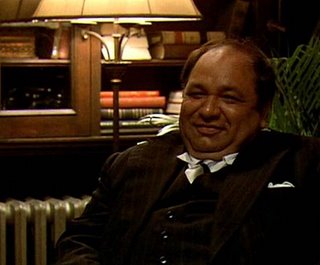
John Zebedee
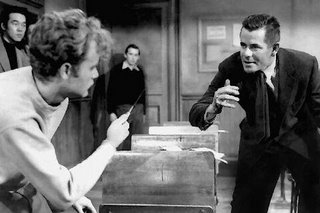
Philip
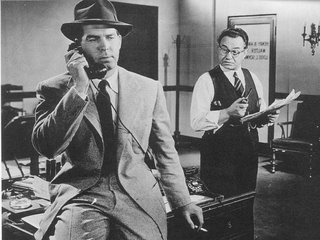
Bartholomew

Thomas
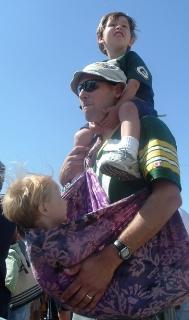
James Alphaeus

Simon the Cananean

Thaddeus

Judas Iscariot
[118th in a series]
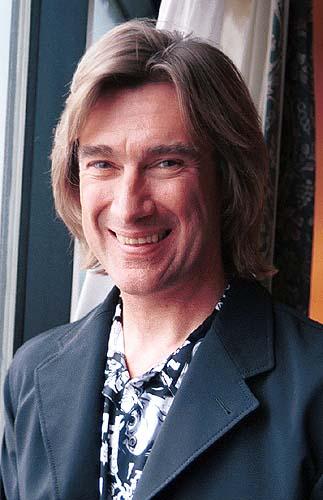
Simon Peter
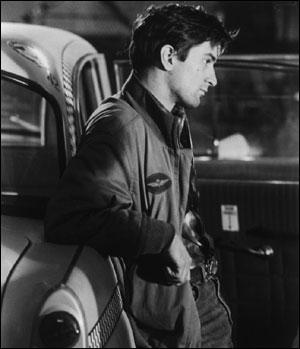
Andrew
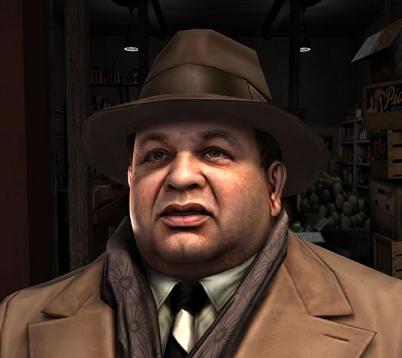
James Zebedee

John Zebedee
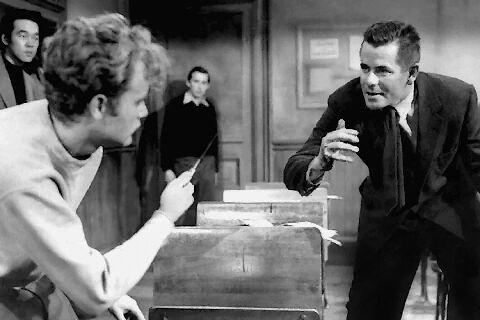
Philip

Bartholomew

Thomas
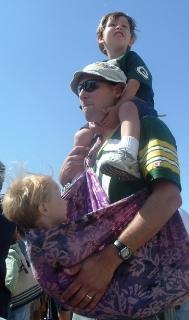
James Alphaeus

Simon the Cananean
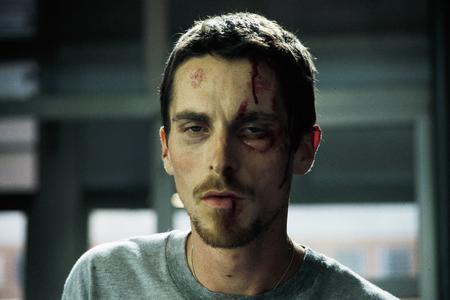
Thaddeus

Judas Iscariot
[118th in a series]
Jun 6, 2006
information on the 12 disciples
A one-stop resource for everything you need to know about Jesus's closest followers. (Like Wikipedia, a work in progress. Unlike Wikipedia, 100% facticity.)
 Simon Peter a.k.a. Peter
Simon Peter, one of Jesus's favorite disciples, acquired his name from the Greek "Petra," meaning "long haired rocker." (Peter's hair ranged from a cubit to a cubit-and-a-half. Flowing locks are a sign of spiritual strength, if you recall the story of Samson.)
Before he met Jesus, Peter was a veterinarian in the Jerusalem area, treating camels, donkeys, dogs, and the occasional small child. His twenty-year-strong practice was booming when an unknown prophet came by on a Tuesday afternoon, asking what to do about a herd of deranged pigs loitering dangerously close to a cliff. Peter said, "Let 'em jump." The prophet, Jesus, laughed until he realized Peter was serious. The two became instant friends.
After Jesus's death, resurrection, and return to heaven, Peter spent the next decade or so wandering throughout the Jerusalem area, advocating dietary reform and preaching the gospel. In AD 67 he lanced a boil too deeply and bled to death. He was 72.
 Andrew
Aramaic for "Hops." Benjamin Franklin once said that "Beer is proof that God loves us and wants us to be happy." Andrew's parents--Jonah and Deanne Michaelson--must have had Ben in mind when they brewed up a name for their bouncy baby boy.
Sadly, Andrew's parents were captured enslaved by the Romans when he was six. He never saw them again. Raised by his older brother Louis, Andrew gained street smarts as a truffle vendor, eventually landing a job with Jerusalem Express. He was a well-known cab driver with a colorful vocabulary and a lead foot. He met Jesus while off duty outside the Jerusalem Hilton, was struck by the teacher's command of inoffensive expletives, and abandoned his busted up Chevy for a career as a disciple.
At the age of 56, battling a severe flu and depressed by Jesus's absence, Andrew died in his sleep. He left everything to Louis.
 James Zebedee
James Zebedee was hands-down the baddest disciple. He smuggled heroin for the Haifa mob, hiding packets of dope in a false belly while disguised as a pregnant woman. He left his life of crime during Jesus's brief tenure, but soon returned when Jesus didn't. James met a bullet on his last day--not from cops, who were mostly too bribed to care, but from a football fan from Galilee who had heard one too many "Galilee sucks!" come from Zebedee's drunken lips.
 John Zebedee
If there ever was a living argument against genetic determinism, it would be James Zebedee and his indentical twin brother John. The name "Zebedee" means "Son of Thunder," related to the family's struggles with Irritable Bowel. (As Paul counsels us, suffering leads to patience, patience to character, and character to hope.) If anything, his condition kept John from getting too serious with any of the blond waitresses at the local Denny's.
While James smuggled drugs for mobsters, John kept a low profile, helping his dad run a bicycle repair shop. One day a lanky Galilean came in with a flat tire. John, not realizing who his customer was, cracked a joke about healing it with prayer and fasting. When Jesus released him from his telekinetic gaze and let him down from the ceiling, John apologized and joined up.
John was often suspected to be a member of Roman intelligence, but this was never confirmed. (James once shot a small-timer who suggested it in public.) John's life came to a close at the grill of a '58 Edsel.
 Philip
The Good Book says, "The prayer of a righteous man availeth much." Philip, whose name means "Git-er-done" in Aramaic, was a hard-working but altogether pleasant elementary school teacher. He was the only disciple to join the crew without first being asked by Jesus, standing outside the Galilean's apartment for five days in the rain until Jesus relented.
Because of his work ethic and personality, Philip was put in charge of public relations. He once got into a bit of trouble for claiming in the Jerusalem Tribune that Jesus was going to be "bigger than Moses."
In his postdiscipleship career, Philip returned to his teaching job, becoming addicted to Percocet because of a rowdy kindergarten class of belligerent Romans. He died of an overdose at the age of 46.
 Bartholomew
Little is known about Bartholomew. He was an insurance salesman for Bethlehem Mutual, sticking with his job even during Jesus's time on earth. (Jesus kicked him off the team after he offered a disability policy to the healed blind man of Bethsaida, claiming "You never know, it could happen again.")
Bartholomew was last seen on the tarmac at Haifa International Airport clutching a suitcase stuffed with shekels, probably stolen from his company.
Bartholomew is Arabic for "tessellation." The spiritual significance of his name is a mystery.
 Thomas
Thomas (Greek for "Entomologist") had a lazy disposition, a winning smile and a fierce nicotine habit. Employed from time to time as a butcher, baker, and candlestick maker, Thomas resented his corporate bosses, who just couldn't understand his easygoing approach to work. When Jesus stopped by one Saturday looking for enough pumpernickel for 5,000 people, Thomas didn't waste a second, snatching up as many loaves as he could stuff in his Vanagon before hitting the road as a piping fresh evangelist.
Thomas later acquired a reputation as a doubter for a regrettable incident recorded by an unsympathetic witness. Thomas also wrote his own gospel, "The Life and Times of a Journeyman Prophet."
 James Alphaeus
James Alphaeus, a stay-at-home dad, was the only disciple without a "real" job, a fact that led to constant secret irritation. James's wife advanced up the ladder at a leading law firm, while James took time away from raising two sons to gad about the Jerusalem area with Jesus and the other disciples.
James Alphaeus, like so many others, did not expect the Spanish Inquisition and was burned at the stake for heresy after confessing to demon possession, witchery, and the Watergate break-in.
"Alphaeus" is Latin for "First in God's eyes." We are all first in God's eyes.
Thaddeus a.k.a. "Gomer"
Depending on which edition of the original Greek New Testament is consulted, Thaddeus was a machinist or an electrical engineer. Even the origin and meaning of his name is obscure.
Thaddeus was Mr. Fixit for the disciples, keeping their fleet of battered buses and minivans running in Israel's hot summers. He secretly gambled away membership dues on chariot races and was never caught, although Jesus probably knew and kept it a secret. Thaddeus's life ended abruptly when he broke his neck falling down stairs at 48.
 Simon the Cananean a.k.a. Simon the Zealot a.k.a. Jude James
Simon the Cananean walked a tightrope--literally. Small-time gangster by day, Ringling Brothers funambulist by night, Simon C. ran into Jesus at the hospital while being treated for a concussion sustained in criminal circumstances. He joined Jesus's posse hoping to turn it into a militia capable of fighting the Romans, but was disappointed when his scheme didn't pan out.
After Jesus left, Simon C. returned to crime and funambulism. The former got him before the latter. He eventually took a bullet in the kidney when running away from a rumble in South Jerusalem. The streets don't have a safety net.
Simon the Cananean's name is Greek, meaning "Quick to Criticize." From Proverbs, "As iron sharpeneth iron, so one man sharpeneth another."
 Judas Iscariot
Iscariot means "traitorous weasel" in Aramaic. No surprise, then, that Judas would turn out to betray Jesus to the authorities. What is surprising is Judas's line of work before becoming a disciple: he ran a men's apparel chain called "Judas's Fine Hats, Scarves, and Neckties," and joined the disciples only because of a bad business cycle. It was rumored that Judas made a deal with the Pharisees to hand Jesus over to the Romans in hopes of revitalizing his business prospects. After Jesus's death, Judas hanged himself out of guilt. As theologian Frosty Troy once put it, "Even Jesus didn't pick twelve winners."
Looking for more information on Jesus? See also...
Jesus's cryptic parables
what was Jesus's philosophy?
Jesus's real name
Jesus's birth certificate
Matthew 14:22-32--the Recently Revised Version
References:
what the 12 disciples' names mean
12 disciples' jobs before they joined Jesus
sins of the 12 disciples
why did Jesus choose 12 disciples?
a real list of Jesus's twelve disciples, and their putative demises
[one hundredth in a series]
Simon Peter a.k.a. PeterSimon Peter, one of Jesus's favorite disciples, acquired his name from the Greek "Petra," meaning "long haired rocker." (Peter's hair ranged from a cubit to a cubit-and-a-half. Flowing locks are a sign of spiritual strength, if you recall the story of Samson.)
Before he met Jesus, Peter was a veterinarian in the Jerusalem area, treating camels, donkeys, dogs, and the occasional small child. His twenty-year-strong practice was booming when an unknown prophet came by on a Tuesday afternoon, asking what to do about a herd of deranged pigs loitering dangerously close to a cliff. Peter said, "Let 'em jump." The prophet, Jesus, laughed until he realized Peter was serious. The two became instant friends.
After Jesus's death, resurrection, and return to heaven, Peter spent the next decade or so wandering throughout the Jerusalem area, advocating dietary reform and preaching the gospel. In AD 67 he lanced a boil too deeply and bled to death. He was 72.
AndrewAramaic for "Hops." Benjamin Franklin once said that "Beer is proof that God loves us and wants us to be happy." Andrew's parents--Jonah and Deanne Michaelson--must have had Ben in mind when they brewed up a name for their bouncy baby boy.
Sadly, Andrew's parents were captured enslaved by the Romans when he was six. He never saw them again. Raised by his older brother Louis, Andrew gained street smarts as a truffle vendor, eventually landing a job with Jerusalem Express. He was a well-known cab driver with a colorful vocabulary and a lead foot. He met Jesus while off duty outside the Jerusalem Hilton, was struck by the teacher's command of inoffensive expletives, and abandoned his busted up Chevy for a career as a disciple.
At the age of 56, battling a severe flu and depressed by Jesus's absence, Andrew died in his sleep. He left everything to Louis.
James ZebedeeJames Zebedee was hands-down the baddest disciple. He smuggled heroin for the Haifa mob, hiding packets of dope in a false belly while disguised as a pregnant woman. He left his life of crime during Jesus's brief tenure, but soon returned when Jesus didn't. James met a bullet on his last day--not from cops, who were mostly too bribed to care, but from a football fan from Galilee who had heard one too many "Galilee sucks!" come from Zebedee's drunken lips.
John ZebedeeIf there ever was a living argument against genetic determinism, it would be James Zebedee and his indentical twin brother John. The name "Zebedee" means "Son of Thunder," related to the family's struggles with Irritable Bowel. (As Paul counsels us, suffering leads to patience, patience to character, and character to hope.) If anything, his condition kept John from getting too serious with any of the blond waitresses at the local Denny's.
While James smuggled drugs for mobsters, John kept a low profile, helping his dad run a bicycle repair shop. One day a lanky Galilean came in with a flat tire. John, not realizing who his customer was, cracked a joke about healing it with prayer and fasting. When Jesus released him from his telekinetic gaze and let him down from the ceiling, John apologized and joined up.
John was often suspected to be a member of Roman intelligence, but this was never confirmed. (James once shot a small-timer who suggested it in public.) John's life came to a close at the grill of a '58 Edsel.
PhilipThe Good Book says, "The prayer of a righteous man availeth much." Philip, whose name means "Git-er-done" in Aramaic, was a hard-working but altogether pleasant elementary school teacher. He was the only disciple to join the crew without first being asked by Jesus, standing outside the Galilean's apartment for five days in the rain until Jesus relented.
Because of his work ethic and personality, Philip was put in charge of public relations. He once got into a bit of trouble for claiming in the Jerusalem Tribune that Jesus was going to be "bigger than Moses."
In his postdiscipleship career, Philip returned to his teaching job, becoming addicted to Percocet because of a rowdy kindergarten class of belligerent Romans. He died of an overdose at the age of 46.
BartholomewLittle is known about Bartholomew. He was an insurance salesman for Bethlehem Mutual, sticking with his job even during Jesus's time on earth. (Jesus kicked him off the team after he offered a disability policy to the healed blind man of Bethsaida, claiming "You never know, it could happen again.")
Bartholomew was last seen on the tarmac at Haifa International Airport clutching a suitcase stuffed with shekels, probably stolen from his company.
Bartholomew is Arabic for "tessellation." The spiritual significance of his name is a mystery.
ThomasThomas (Greek for "Entomologist") had a lazy disposition, a winning smile and a fierce nicotine habit. Employed from time to time as a butcher, baker, and candlestick maker, Thomas resented his corporate bosses, who just couldn't understand his easygoing approach to work. When Jesus stopped by one Saturday looking for enough pumpernickel for 5,000 people, Thomas didn't waste a second, snatching up as many loaves as he could stuff in his Vanagon before hitting the road as a piping fresh evangelist.
Thomas later acquired a reputation as a doubter for a regrettable incident recorded by an unsympathetic witness. Thomas also wrote his own gospel, "The Life and Times of a Journeyman Prophet."
James AlphaeusJames Alphaeus, a stay-at-home dad, was the only disciple without a "real" job, a fact that led to constant secret irritation. James's wife advanced up the ladder at a leading law firm, while James took time away from raising two sons to gad about the Jerusalem area with Jesus and the other disciples.
James Alphaeus, like so many others, did not expect the Spanish Inquisition and was burned at the stake for heresy after confessing to demon possession, witchery, and the Watergate break-in.
"Alphaeus" is Latin for "First in God's eyes." We are all first in God's eyes.
Thaddeus a.k.a. "Gomer"
Depending on which edition of the original Greek New Testament is consulted, Thaddeus was a machinist or an electrical engineer. Even the origin and meaning of his name is obscure.
Thaddeus was Mr. Fixit for the disciples, keeping their fleet of battered buses and minivans running in Israel's hot summers. He secretly gambled away membership dues on chariot races and was never caught, although Jesus probably knew and kept it a secret. Thaddeus's life ended abruptly when he broke his neck falling down stairs at 48.
Simon the Cananean a.k.a. Simon the Zealot a.k.a. Jude JamesSimon the Cananean walked a tightrope--literally. Small-time gangster by day, Ringling Brothers funambulist by night, Simon C. ran into Jesus at the hospital while being treated for a concussion sustained in criminal circumstances. He joined Jesus's posse hoping to turn it into a militia capable of fighting the Romans, but was disappointed when his scheme didn't pan out.
After Jesus left, Simon C. returned to crime and funambulism. The former got him before the latter. He eventually took a bullet in the kidney when running away from a rumble in South Jerusalem. The streets don't have a safety net.
Simon the Cananean's name is Greek, meaning "Quick to Criticize." From Proverbs, "As iron sharpeneth iron, so one man sharpeneth another."
Judas IscariotIscariot means "traitorous weasel" in Aramaic. No surprise, then, that Judas would turn out to betray Jesus to the authorities. What is surprising is Judas's line of work before becoming a disciple: he ran a men's apparel chain called "Judas's Fine Hats, Scarves, and Neckties," and joined the disciples only because of a bad business cycle. It was rumored that Judas made a deal with the Pharisees to hand Jesus over to the Romans in hopes of revitalizing his business prospects. After Jesus's death, Judas hanged himself out of guilt. As theologian Frosty Troy once put it, "Even Jesus didn't pick twelve winners."
Looking for more information on Jesus? See also...
Jesus's cryptic parables
what was Jesus's philosophy?
Jesus's real name
Jesus's birth certificate
Matthew 14:22-32--the Recently Revised Version
References:
what the 12 disciples' names mean
12 disciples' jobs before they joined Jesus
sins of the 12 disciples
why did Jesus choose 12 disciples?
a real list of Jesus's twelve disciples, and their putative demises
[one hundredth in a series]
Jun 1, 2006
why did Jesus choose 12 disciples?
The reasons are never directly mentioned in any of the Gospels, but centuries of study have resulted in four major competing theories.
1. Twelve disciples, twelve tribes.
At a recent meeting of the Biblical Studies Confederation, this theory was described as "embarrassingly obvious," "trite," and "obviously true."
2. The Count can count only to twelve, and no further.
3. Seven is the holy number. Three is the number of the Trinity. Seven multiplied by three is twenty-one; reverse the numbers to get twelve.
Espoused by Orestes Metcalf, D.Lit., Ph.D., J.D., of the Biblical University of Oshkosh. "Number reversal plays a huge role in Christian theology," Metcalf claims. "I can think of fifteen--or maybe fifty-one, I can't remember--examples of numeric reversal in the New Testament, where God revealed His will in verses like Romans 6:11 and 11:6." Metcalf, it should be noted, wears a cape covered with moons, stars, four-leaf clovers, and horseshoes.
4. As an prophetic foreshadowing of the Gregorian calendar.
Moving away from the flux between twelve or thirteen months, Christianity, breaking away from its Judaic roots, would set the number at an even twelve. Twelve disciples, twelve months.
[ninety-sixth in a series]
1. Twelve disciples, twelve tribes.
At a recent meeting of the Biblical Studies Confederation, this theory was described as "embarrassingly obvious," "trite," and "obviously true."
2. The Count can count only to twelve, and no further.
3. Seven is the holy number. Three is the number of the Trinity. Seven multiplied by three is twenty-one; reverse the numbers to get twelve.
Espoused by Orestes Metcalf, D.Lit., Ph.D., J.D., of the Biblical University of Oshkosh. "Number reversal plays a huge role in Christian theology," Metcalf claims. "I can think of fifteen--or maybe fifty-one, I can't remember--examples of numeric reversal in the New Testament, where God revealed His will in verses like Romans 6:11 and 11:6." Metcalf, it should be noted, wears a cape covered with moons, stars, four-leaf clovers, and horseshoes.
4. As an prophetic foreshadowing of the Gregorian calendar.
Moving away from the flux between twelve or thirteen months, Christianity, breaking away from its Judaic roots, would set the number at an even twelve. Twelve disciples, twelve months.
[ninety-sixth in a series]
May 22, 2006
sins of the 12 disciples
The twelve disciples were down-to-earth men and women just like you and me. Actually, they were all men, but that shouldn't dilute the point that they were human beings with human problems, the everyday pettinesses and foibles that we all experience, yes, you and me and and baby minus me makes two. Sorry. Tangent.
Some of the disciples' sins were relatively minor, if we take the long view. Simon Peter was a bit of a showoff, Andrew sometimes cursed at other cab drivers, John Zebedee had a thing for blond waitresses, Philip became addicted to Percocet because of a particularly rowdy class, Thaddeus gambled on chariot races, Bartholomew was probably stealing from his company, James Alphaeus secretly resented his wife's successful career, Thomas smoked.
The real "bad boys" of the disciples, though, were James Zebedee and Simon the Cananean. James Zebedee smuggled heroin for the Haifa mob, hiding packets of dope in a false belly while disguised as a pregnant woman. He met a bullet on his last day--not from cops, who were mostly too bribed to care, but from a football fan from Galilee who had heard one too many "Galilee sucks!" come from Zebedee's drunken lips.
Simon the Cananean walked a tightrope--literally. Small-time gangster by day, Ringling Brothers funambulist by night, Simon C. took a bullet in the kidney when running away from a rumble in South Jerusalem. The streets don't have a safety net.
[ninety-third in a series]
Some of the disciples' sins were relatively minor, if we take the long view. Simon Peter was a bit of a showoff, Andrew sometimes cursed at other cab drivers, John Zebedee had a thing for blond waitresses, Philip became addicted to Percocet because of a particularly rowdy class, Thaddeus gambled on chariot races, Bartholomew was probably stealing from his company, James Alphaeus secretly resented his wife's successful career, Thomas smoked.
The real "bad boys" of the disciples, though, were James Zebedee and Simon the Cananean. James Zebedee smuggled heroin for the Haifa mob, hiding packets of dope in a false belly while disguised as a pregnant woman. He met a bullet on his last day--not from cops, who were mostly too bribed to care, but from a football fan from Galilee who had heard one too many "Galilee sucks!" come from Zebedee's drunken lips.
Simon the Cananean walked a tightrope--literally. Small-time gangster by day, Ringling Brothers funambulist by night, Simon C. took a bullet in the kidney when running away from a rumble in South Jerusalem. The streets don't have a safety net.
[ninety-third in a series]
12 disciples' jobs before they joined Jesus
Simon Peter, a.k.a. Peter
Veterinarian in the Jerusalem area for over twenty years.
Andrew
Cabbie.
James Zebedee
Drug mule for the Haifa mob.
John Zebedee
Suspected member of Roman intelligence; never confirmed.
Philip
Kindergarten teacher.
Bartholomew
Insurance salesman for Bethlehem Mutual.
Thomas
Butcher, baker, candlestick maker.
James Alphaeus
Stay-at-home dad.
Thaddeus, a.k.a. "Gomer"
Machinist or electrical engineer, depending on minor variances in the textual record.
Simon the Cananean a.k.a. Simon the Zealot a.k.a. Jude James
Funambulist.
Judas Iscariot
Haberdasher, "Judas's Fine Hats, Scarves, and Neckties."
[ninety-second in a series]
Veterinarian in the Jerusalem area for over twenty years.
Andrew
Cabbie.
James Zebedee
Drug mule for the Haifa mob.
John Zebedee
Suspected member of Roman intelligence; never confirmed.
Philip
Kindergarten teacher.
Bartholomew
Insurance salesman for Bethlehem Mutual.
Thomas
Butcher, baker, candlestick maker.
James Alphaeus
Stay-at-home dad.
Thaddeus, a.k.a. "Gomer"
Machinist or electrical engineer, depending on minor variances in the textual record.
Simon the Cananean a.k.a. Simon the Zealot a.k.a. Jude James
Funambulist.
Judas Iscariot
Haberdasher, "Judas's Fine Hats, Scarves, and Neckties."
[ninety-second in a series]
Apr 26, 2006
twelve disciples anagrams
Twelve disciples, twelve clues. Click "read more" and then scroll down for the answers.
1. Internet romance works only for the inherently gregarious.
2. Fantastic new underarm hair pluckers on the market.
3. Recently homeless contrarian handy with a needle.
4. Hip sores glazed.
5. Proficient in clamp art.
6. Plans to perform another Cheney bypass.
7. Wealthy churchgoers irked by another sermon on tithing.
8. Theodore's snout beetle snaps.
9. Vacationed to Alaska to scrub seals.
10. Polite Scandinavian's hide.
11. Den of iniquity.
12. Swing voters usher in second Bush term.
1. PC WEDS LIVELIEST
2. SWELL PIT DEVICES
3. EVICTED PILL SEWS
4. ICED PELVIS WELTS
5. DEPICTS VISE WELL
6. WILL DISSECT VEEP
7. SELECT PEWS LIVID
8. TED'S WEEVIL CLIPS
9. VIEWED SPILLS, ETC.
10. CIVIL SWEDE'S PELT
11. LEWD VILE CESSPIT
12. SWIVELS ELECT DIP
Hooray for the Internet Anagram Server!
[seventy-seventh in a series]
1. Internet romance works only for the inherently gregarious.
2. Fantastic new underarm hair pluckers on the market.
3. Recently homeless contrarian handy with a needle.
4. Hip sores glazed.
5. Proficient in clamp art.
6. Plans to perform another Cheney bypass.
7. Wealthy churchgoers irked by another sermon on tithing.
8. Theodore's snout beetle snaps.
9. Vacationed to Alaska to scrub seals.
10. Polite Scandinavian's hide.
11. Den of iniquity.
12. Swing voters usher in second Bush term.
1. PC WEDS LIVELIEST
2. SWELL PIT DEVICES
3. EVICTED PILL SEWS
4. ICED PELVIS WELTS
5. DEPICTS VISE WELL
6. WILL DISSECT VEEP
7. SELECT PEWS LIVID
8. TED'S WEEVIL CLIPS
9. VIEWED SPILLS, ETC.
10. CIVIL SWEDE'S PELT
11. LEWD VILE CESSPIT
12. SWIVELS ELECT DIP
Hooray for the Internet Anagram Server!
[seventy-seventh in a series]
Apr 19, 2006
Dear Lord, can you clear up my acne?
an inspirational parable
I dreamed I was walking along a beautiful beach bathed in the glorious hues of a glorious sunset. Behind me stretched footprints, far back through all the stages of my life. Two sets, mine and the Lord's.
Except in a few places.
Jesus, ambling beside me, stopped to skip a stone on the placid, tranquil sea. He sidled on over when he saw a frown cross my face.
"What's up?"
"Nothin."
"No, really. Someone pour salt in your coffee?"
I couldn't help but laugh. I sighed, and reluctantly told him what I had figured out. As far as I could tell, at whatever point in my life I had broken out in zits, the two sets of footprints became one.
"Oh," said Jesus. "I was hoping you wouldn't notice that."
"You mean...."
"Yeah," Jesus said, digging a little trench in the sand with His left foot.
My eyes welled up with tears. "I prayed and prayed for you to eradicate every pimple that plagued me from middle school to high school," I said. "'Dear Lord, can you clear up my acne?' Every night for six years!"
"I know," said Jesus.
"And you left me just like that, to wallow in my adolescent misery and shame?"
"You've got it all wrong," Jesus replied, kicking sand back into the trench. "That was when I threw you out into the water. You needed a bath, is all."
[seventy-third in a series]
I dreamed I was walking along a beautiful beach bathed in the glorious hues of a glorious sunset. Behind me stretched footprints, far back through all the stages of my life. Two sets, mine and the Lord's.
Except in a few places.
Jesus, ambling beside me, stopped to skip a stone on the placid, tranquil sea. He sidled on over when he saw a frown cross my face.
"What's up?"
"Nothin."
"No, really. Someone pour salt in your coffee?"
I couldn't help but laugh. I sighed, and reluctantly told him what I had figured out. As far as I could tell, at whatever point in my life I had broken out in zits, the two sets of footprints became one.
"Oh," said Jesus. "I was hoping you wouldn't notice that."
"You mean...."
"Yeah," Jesus said, digging a little trench in the sand with His left foot.
My eyes welled up with tears. "I prayed and prayed for you to eradicate every pimple that plagued me from middle school to high school," I said. "'Dear Lord, can you clear up my acne?' Every night for six years!"
"I know," said Jesus.
"And you left me just like that, to wallow in my adolescent misery and shame?"
"You've got it all wrong," Jesus replied, kicking sand back into the trench. "That was when I threw you out into the water. You needed a bath, is all."
[seventy-third in a series]
Apr 7, 2006
Matthew 14:22-32--the Recently Revised Version
22 Immediately Jesus made the disciples get into the boat and go on ahead of him to the other side, while he dismissed the crowd. 23 He then went up on a mountainside by himself to pray. When evening came, he was there alone, 24 but the boat was already a long way from land, tossed about by waves in the wind. The temperature dropped significantly. Jesus shivered and checked his watch.
25 Late that night Jesus figured he should rejoin the disciples by walking on the lake. 26 When the disciples saw him, they freaked out. "It's a ghost," they said, and cried like babies.
27 But Jesus immediately said to them: "Jeez! It's just me, and it's just ice. Quit bawling like that. It's embarrassing."
28 "Lord, if it's ice," Peter replied, "I'll come and walk out to you."
29 "I double dare you," Jesus said.
Then Peter got down out of the boat, walked on the ice floes and came toward Jesus. 30 But when the wind picked up, he chickened out, began to sink, and shouted, "Lord, save me!"
31 Immediately Jesus reached out his hand and caught him. "You should have worn sandals with some traction," he said, "not these flimsy flip-flops."
32 And when they climbed into the boat, the wind died down. 33 Then those who were in the boat laughed at Peter, who clowned around for a bit until Jesus settled them down for the next lesson.
25 Late that night Jesus figured he should rejoin the disciples by walking on the lake. 26 When the disciples saw him, they freaked out. "It's a ghost," they said, and cried like babies.
27 But Jesus immediately said to them: "Jeez! It's just me, and it's just ice. Quit bawling like that. It's embarrassing."
28 "Lord, if it's ice," Peter replied, "I'll come and walk out to you."
29 "I double dare you," Jesus said.
Then Peter got down out of the boat, walked on the ice floes and came toward Jesus. 30 But when the wind picked up, he chickened out, began to sink, and shouted, "Lord, save me!"
31 Immediately Jesus reached out his hand and caught him. "You should have worn sandals with some traction," he said, "not these flimsy flip-flops."
32 And when they climbed into the boat, the wind died down. 33 Then those who were in the boat laughed at Peter, who clowned around for a bit until Jesus settled them down for the next lesson.
Subscribe to:
Posts (Atom)